
The evolution of gambling tracing the historical roots and cultural impact
Ancient Beginnings of Gambling
The history of gambling can be traced back to ancient civilizations, where games of chance were often tied to religious practices and rituals. The earliest known evidence of gambling dates back to around 3000 BCE in ancient China, where rudimentary dice were used in games of chance. Similarly, ancient Egyptians participated in betting activities, reflecting a widespread human fascination with luck and chance across various cultures. The introduction of modern online options, such as the HeroSpin official site, illustrates the evolution of this timeless pastime.
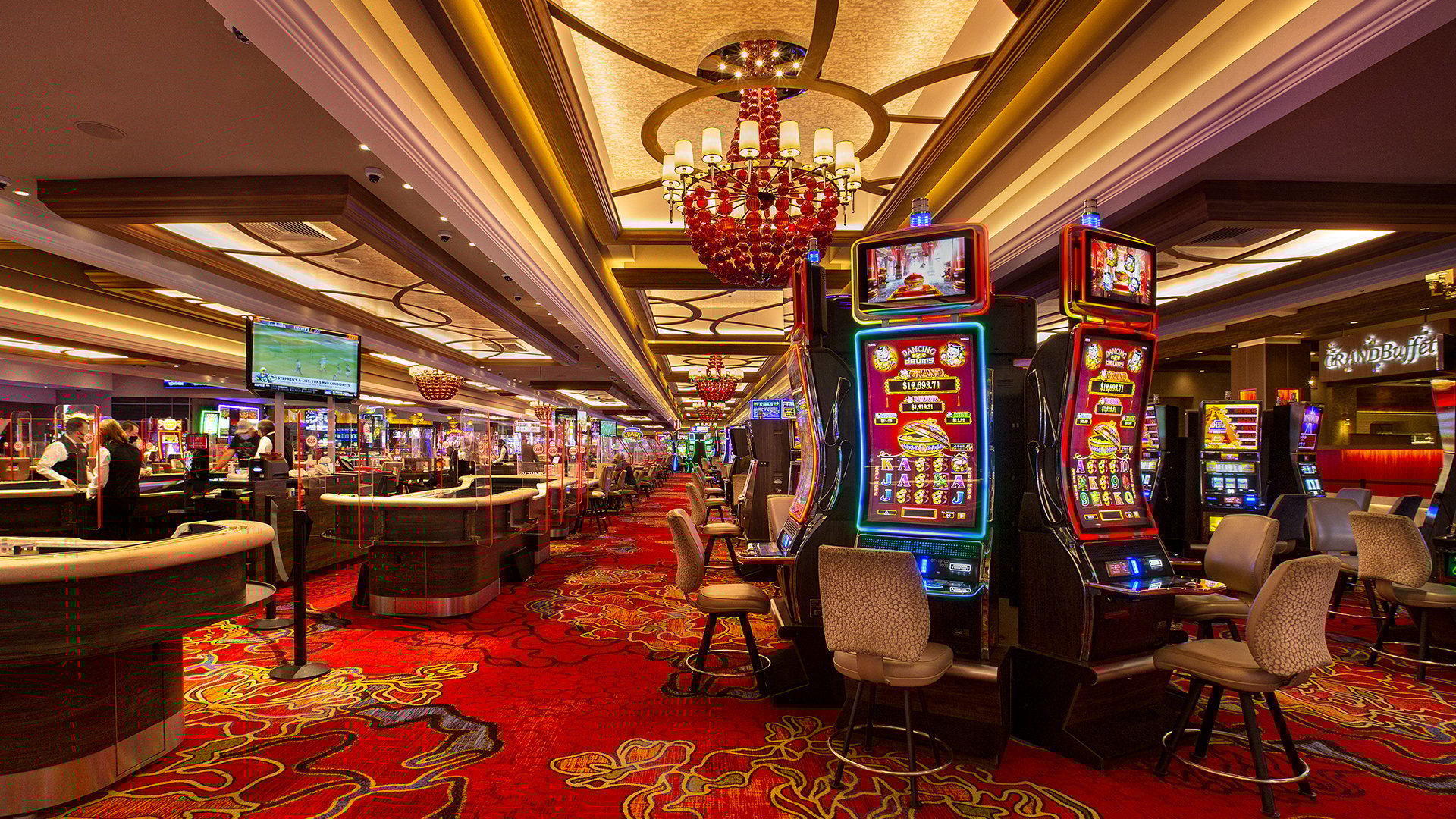
These early forms of gambling not only provided entertainment but also played a role in social bonding and community gatherings. The act of wagering often brought people together, fostering camaraderie and competition. As civilizations evolved, so did the complexity of gambling games, leading to a rich tapestry of traditions that have influenced modern gambling practices.
The Rise of Formal Gaming Institutions
The establishment of formal gaming houses can be traced back to the Middle Ages in Europe. During this period, gambling became more organized, leading to the creation of the first official casinos. The Venetian Casino, established in 1638, is one of the earliest examples of a dedicated gambling establishment, which laid the foundation for modern casinos.
As gambling gained popularity, governments recognized the potential for revenue generation through taxation. This shift led to the regulation of gambling activities, bringing a level of legitimacy to an industry that had often been viewed with skepticism. The formalization of gambling during this era helped shape the cultural perception of gaming, embedding it deeper into the social fabric of society.
Gambling in the Modern Era
The 20th century marked a significant turning point in the evolution of gambling, particularly with the advent of Las Vegas as a gambling hub. The legalization of gambling in Nevada in 1931 paved the way for the development of extravagant casinos that offered a wide range of entertainment options. This not only transformed the perception of gambling but also made it a central part of American culture.
As technology advanced, gambling continued to evolve with the introduction of electronic machines and later online gaming. The emergence of the internet in the late 20th century revolutionized the gambling landscape, allowing players to engage in various games from the comfort of their homes. This shift has made gambling more accessible and appealing to a broader audience, prompting discussions around regulation and responsible gaming.
The Cultural Impact of Gambling
Gambling has had a profound cultural impact across the globe. It often reflects societal values, attitudes, and even economic conditions. In some cultures, gambling is seen as a social activity that promotes community engagement, while in others, it may be viewed as a vice or a moral failing. This duality underscores the complexity of gambling’s role in society.
Moreover, the portrayal of gambling in media and popular culture has further influenced public perception. Movies, television shows, and literature often glamorize gambling, shaping the way it is viewed and experienced by the masses. This cultural representation has contributed to both the allure and the stigma associated with gambling, making it a fascinating subject of study in sociology and psychology.

Online Gambling and Its Future
With the rise of the internet, online gambling has become a dominant force in the industry. Platforms such as HeroSpin Casino offer a wide array of gaming options, catering to a global audience. The convenience of playing from anywhere, coupled with enticing bonuses and innovative features, has attracted millions of players to the online gambling scene.
The future of gambling seems to be leaning towards a blend of traditional brick-and-mortar establishments and online platforms. As technology continues to evolve, we can expect to see advancements such as virtual reality gaming and blockchain technology, which may further reshape the landscape. This integration of modern technology presents exciting opportunities for both players and the industry, ensuring that gambling will continue to evolve and adapt in the coming years.