
Barkaas, Bengaluru Restaurant menu, prices and reviews
The café market’s growth narrative is also backed by aggressive expansion from large players. The initial months were driven by curiosity and excitement but excitement is temporary. After that, it’s just you, the team, and daily reality.
Visitors' reviews on Barkaas Indo-Arabic Restaurant

Loyalty programmes and personalised offers are becoming essential for retaining guests. Hyper-local produce and seasonal dishes help maintain quality while managing costs. “Restaurateurs should keep an ear to their communities and lean into the emotional and sensory elements of hospitality to foster loyalty and word-of-mouth buzz,” added Busetty. Putting his views, Sandeep Jangala, Founder, Yummy Bee noted, “There will be an increase in consumption as people eat out more often.
- Guests are no longer looking for just a meal, but for micro experiences that are intimate and layered.
- Beyond food, restaurants are investing in ambience, staff training, and curated dining experiences.
- With rising competition and operating costs, many restaurateurs are now treating the bar and drinks menu as a key revenue generator.
From the guests' viewpoint, prices are low. Visitors say that the service is fine here. If you happen to be around Dilkusha Kothi Palace, Barkaas Arabic Restaurant visit this restaurant.
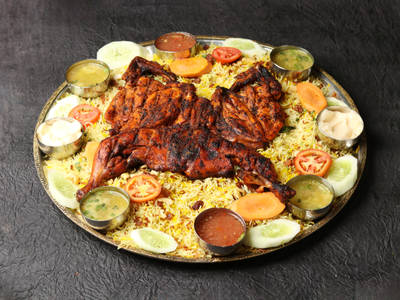
Visitors' reviews on Barkaas Indo Arabic Restaurant
40% of the brands, who expand their business within a year of their launch, end up closing due to the heavy losses. Rising Costs and Tight MarginsThe Indian food services sector is valued at over ₹5.7 lakh crore in 2025 and is expected to reach ₹7.76 lakh crore by 2028, growing at around 8% annually. Across India, restaurant operators are slowing expansion, consolidating their footprint, and rethinking what sustainable growth really looks like. For years, restaurant growth followed a simple formula—opens more outlets, enter new cities, and scale quickly, often at the expense of margins. In an industry once driven by rapid expansion, profitability and operational stability have emerged as the true measures of success.
- What’s TrendingFine dining is evolving beyond formal multi-course meals into experience-led, sensory, and immersive dining, where presentation, ambiance, storytelling, and interactive elements are as important as the food itself.
- With that context, industry leaders gathered to reflect not only on the year gone by, but more importantly, on the big shifts they are making in 2026.
- ₹1,300 for two people (approx.)
- Premium Dining is Driving the GrowthPremium dining is driving expansion in Tier 1 markets as rising disposable incomes, urban lifestyles, and experiential spending fuel demand for high-quality, differentiated concepts.
“When you are building culture, not just covers, growth have to protect community. “Financially, contribution margins across food and beverages, labour costs, and fixed cost coverage are tracked closely. Kapoor added, “I focus on daily sales consistency, food and staff costs, wastage, and repeat customers. For first-time founders, break-even expectations are often shaped by optimism.
I told him, this isn’t a restaurant or a nightclub, you’re building a stadium. Rehan candidly admitted the industry’s initial doubts when Srikar launched Quake. Today, Turkish, Lebanese and global cuisines are opening and thriving. Around 2013–16, an Egyptian restaurant opened and barely survived six months as there were no takers. For Hemender Reddy, Founder, Sribhog Hospitality, the city’s growth mirrors his own journey. That’s a culture he initiated, and the industry followed.”
Ultimately, flexibility is designed in response to the target audience, food format, and service style ensuring the spatial experience remains aligned with the restaurant’s core concept." “From open kitchens and live cooking experiences to the choreography of food service and table plating, every detail contributes to the overall experience. As global benchmarks such as Michelin recognition gain greater relevance within the Indian market, the rise of chef-driven, experience-centric restaurants will demand equally sophisticated and intentional spatial narratives. “Festive and seasonal menus are strategically important to annual revenue, especially in destination-driven markets,” mentioned co-founder Rajendra Salgaonkar.
Tasty dishes in Kolkata

Ranbir Singh Nagpal, CEO of Yazu Hospitality Pvt Ltd said, “Because Juliette caters to different moments of the day, guests often start with coffee or brunch and later explore cocktails or evening drinks. It is garnished with olives stuffed with mashed potatoes and cheese,” he added.The idea was to create a drink that reminds people of flavours like nimbu ka achaar with aloo parantha, but in a refined cocktail format. The focus is not only on serving drinks but also on creating beverages that complement the food and enhance the overall meal.” As per reports, beverages especially cocktails and wine can generate gross margins of 70–85%, compared to 60–65% for most food items.
This philosophy is not just cultural rhetoric, it’s embedded in everyday cooking. Yet, despite these shifts, the essence of the cuisine remains intact. Deepak Dandge, Director of Culinary, Pullman Chennai Anna Salai, drawing from history, mentioned how Tamil cuisine has always been influenced by global exchange while staying rooted in purpose.