
Understanding the psychology of gambling Insights from pink casino
The Allure of Gambling
The psychology of gambling often revolves around the thrill of winning and the excitement it brings. Players are drawn to the potential for significant rewards, which can evoke feelings of euphoria and satisfaction. This allure is not just about the money; it’s about the experience itself—the rush of adrenaline, the anticipation of a win, and the social interactions that can occur in a gaming environment. For more information, visit https://pinkcasino-uk.com to explore gaming options.

Moreover, the ambiance of casinos, whether physical or virtual, is designed to heighten emotions and encourage players to engage more. Bright lights, engaging sounds, and the overall atmosphere contribute to an experience that can be irresistible to many. Understanding these psychological triggers helps in recognizing why people gamble, even when they are aware of the risks involved.
The Role of Risk and Reward
Risk plays a crucial role in the psychology of gambling. The chance of losing money often adds to the thrill, creating a paradox where the fear of loss is almost as compelling as the desire for gain. Gamblers often experience a phenomenon known as “loss aversion,” where the pain of losing is felt more intensely than the pleasure of winning. This can lead individuals to continue gambling in hopes of recouping their losses.
The reward system in our brain is activated during gambling, releasing dopamine, a neurotransmitter associated with pleasure. This chemical response can create a cycle of reinforcement, leading players to chase their next win, despite the odds. Understanding this cycle is essential for recognizing the potential dangers of excessive gambling.
The Impact of Cognitive Biases
Cognitive biases significantly influence gambling behavior. For example, the “gambler’s fallacy” leads individuals to believe that past outcomes affect future events. A player may think that a particular slot machine is “due” for a win after a series of losses, which can result in continued play and increased spending. This misconception often fuels a persistent belief in luck and chance.
Additionally, confirmation bias may lead gamblers to focus on their wins while ignoring losses, reinforcing their belief that they are skilled or lucky. Such cognitive distortions can make it difficult for players to view their gambling habits objectively, leading to potential addiction and financial issues.
The Importance of Responsible Gaming
Responsible gaming is essential in addressing the psychological aspects of gambling. Many platforms, like Pink Casino, emphasize player safety and promote responsible gambling practices. They provide tools and resources to help players manage their gaming habits, including setting limits on deposits and losses, time-out features, and self-exclusion options.
Understanding the importance of responsible gaming is vital not only for individual players but also for the broader community. By fostering a culture of awareness and education around gambling, we can mitigate the risks associated with gambling behaviors and promote healthier gaming experiences.
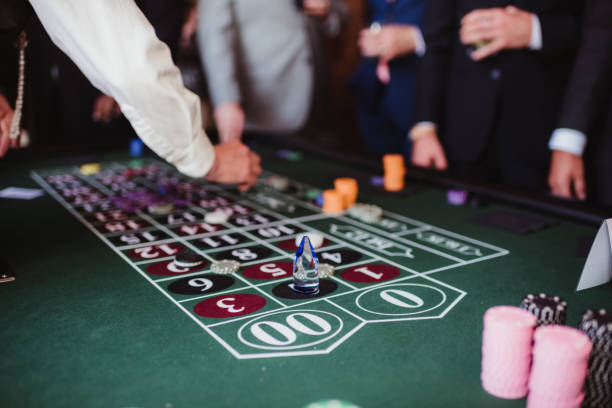
Insights from Pink Casino
Pink Casino serves as a valuable example of how an online gaming platform can prioritize player safety while providing an engaging experience. Operating under a UK Gambling Commission license, it ensures fair play and adheres to strict regulations designed to protect players. The casino’s commitment to responsible gaming is evident in its various support options and resources.
With a diverse selection of games and a user-friendly interface, Pink Casino aims to create an enjoyable environment for all players. Their dedication to customer satisfaction, complemented by 24/7 support, enhances the overall experience while prioritizing the well-being of their users. Engaging with platforms like Pink Casino can provide insights into the evolving landscape of online gaming and its psychological implications.