
Top Live Casino Sites in India for 2025: Play Real-Time Games with Live Dealers
For players seeking the authentic buzz of a real casino without leaving home, live casino India bridges that gap by streaming professional dealers directly to your screen. You simply join a table, place your bets through an intuitive interface, and interact with the croupier in real time via chat, just as you would on the floor. The core appeal lies in its transparency—every card shuffle and roulette spin happens before your eyes, offering a genuine, trust-building gaming experience tailored for Indian players. With options like Andar Bahar and Teen Patti alongside global classics, you can engage instantly using familiar payment methods and play at your own pace.
What Exactly Happens in a Live Dealer Game Room?
In a live casino India game room, you join a real-time table via HD video stream, where a professional dealer shuffles cards or spins the roulette wheel from a studio floor. You place live bets using an on-screen interface, while the dealer reacts to your actions through a chat window, creating a social, immersive atmosphere. For popular games like Andar Bahar or Teen Patti, the dealer uses physical cards and a dedicated camera angle. Your winnings are calculated instantly by software tracking the game’s outcome, and you can watch every move unfold without cuts, ensuring you never miss a beat. The room operates with multiple camera views, letting you switch angles to see the table, the dealer, and the betting grid clearly. It feels like sitting at a real casino table, but from your phone or laptop anywhere in India.
The Real-Time Streaming Setup and How the Action Reaches Your Screen
In a live dealer game room, the real-time streaming setup hinges on multiple 4K cameras positioned at precise angles to capture the table, dealer, and shoe without blind spots. These feeds are encoded into low-latency H.264 streams and routed through a dedicated server network, often with India-optimized CDN nodes to minimize lag. The action reaches your screen via WebRTC or RTMP protocols, delivering sub-second transmission so the card flip you see matches the dealer’s physical move. Lag-free live dealer gameplay in India depends on your local upload speed and server proximity. A frame synchronizer ensures audio and video stay in sync.
Q: How long does it take for the dealer’s action to reach my screen?
A: With a robust setup, latency is typically 0.5–1.5 seconds, depending on your internet route.
Roles of the Dealer, Croupier, and Floor Supervisor in a Session
In a live casino India session, the dealer acts as your direct interface, managing cards or wheel spins, instantly calculating payouts, and keeping the game’s rhythm alive. The croupier—often the same person in roulette—handles chip exchanges and announces winning numbers with theatrical flair, ensuring bets are settled before the next round. Meanwhile, the floor supervisor silently monitors multiple tables, verifying disputed outcomes and stepping in only when a dealer’s call is challenged. Their quiet authority keeps the session fair without breaking the immersive flow you experience on screen. Together, this trio ensures every hand or spin runs without friction, letting you focus purely on strategy.
- The dealer enforces betting limits and signals when betting closes.
- The croupier converts cash to chips at your table mid-session.
- The floor supervisor audits winning streaks to prevent payout errors.
Differences Between RNG Tables and Human-Led Tables You Should Know
In a live casino India setting, the core difference between RNG tables and human-led tables is trust versus speed. RNG tables use algorithms to generate outcomes instantly, making them ideal for fast, private rounds of blackjack or roulette where you rely on software certification. Human-led tables, however, stream a real dealer shuffling cards or spinning a wheel, offering verifiable transparency through physical action. This human element reduces suspicion of rigging, which is a common concern for Indian players. While RNG allows unlimited betting limits and quicker play, live dealer tables enforce table limits, time delays, and social interaction. If you value auditable fairness over pure velocity, human-led tables are the safer psychological choice.
How to Pick the Right Live Table for Your Playing Style
To pick the right live table in a live casino India, start by matching the betting limits to your bankroll, not your ego—low-stakes tables suit cautious players, while high-roller rooms demand deeper pockets. For aggressive styles, choose faster games like Andar Bahar or Teen Patti with shorter decision windows; methodical players should opt for baccarat or roulette where you can observe patterns. Check the dealer’s pace during the free-play mode; a chatty, slow dealer helps beginners, whereas a brisk one suits veterans. Your tolerance for variance matters more than the game’s popularity, so test a ₹10 table before committing to high limits. Finally, select a table with clear camera angles and visible shoe or wheel history—both let you verify outcomes and adjust your strategy in real time. Match the side-bet options to your risk appetite; avoid tables with heavy added bets if you prefer pure, predictable play.
Betting Limits: Finding Low-Stakes and High-Roller Tables That Fit
In live casino India, matching betting limits to your bankroll is the first filter when choosing a table. Low-stakes tables typically start at ₹10–₹50 per hand, ideal for testing strategies or extending play sessions without pressure. High-roller tables, often starting at ₹5,000–₹50,000, suit players seeking larger swings and exclusive attention. Use the lobby filter to sort by minimum bet before joining—most platforms display this clearly. Your comfort zone, not the table’s prestige, should dictate your limit. For a practical sequence: check the displayed minimum, compare it against 5% of your session budget, then select a table where that ratio holds. Low-stakes and high-roller table selection also depends on whether you prefer frequent small wins or occasional big payouts. Always confirm the maximum bet too, as it caps your upside on hot streaks.
Game Variants: Where to Find Andar Bahar, Teen Patti, and Roulette Options
When selecting a live table in India, the first practical step is locating the three dominant variants. Live Andar Bahar options are typically housed under a dedicated “India” or “Table Games” tab on most platforms, with providers like Ezugi and SuperSpade offering dedicated studios. Teen Patti appears either as a standalone category or alongside poker, often featuring variants like Muflis or 3Patti Lucky. Roulette, while international, is filtered via a “Live Roulette” section; however, Indian-focused sites often prioritize European and Lightning versions over American. Use the lobby search bar to bypass clutter, then check each provider’s game grid—some operators cluster all three under a single “Desi Games” filter, while others split them.
- Open the “All Games” menu and type the variant name to see which studios host it.
- Compare bet limits across the returned tables, as Andar Bahar and Teen Patti tables often share a lower minimum than foreign roulette.
- Select a table with a visible dealer and native-language chat to confirm the variant’s authenticity.
Table Occupancy vs. Waiting Time — Choosing Between Busy and Quiet Rooms
A packed table signals faster dealing and an energetic rhythm, but it also stretches waiting time between hands, especially in Indian live casino rooms where seat turnover spikes during peak evening hours. A quieter table offers instant action and more dealer attention, yet slower play can reduce your decisions per hour. For aggressive players, a busy floor minimizes idle stretches and maximizes hand volume; for cautious bettors, a sparse room gives you time to read patterns without pressure. Always scan the occupancy indicator before buying in—if you value pace over patience, pick a full table; if you prefer unhurried decisions, choose an empty one. Balance your bankroll duration against your tolerance for downtime.
Smart Ways to Manage Your Bankroll During Live Sessions
In live casino India, the dealer’s pace can tempt you into impulsive bets, so set a session cap before you log in—split your bankroll into 10–15 units and only risk one per hand. Time your breaks after every third round to reset focus, especially during fast-paced games like Andar Bahar or Teen Patti. Stick to a “loss-stop” of 30% of your session bankroll, and when you hit it, walk away—live tables won’t pause for your tilt. Also, use the “lock profits” trick: after doubling your buy-in, pocket half and play only with the house’s money. Q: What’s the fastest way to bust in a live session? A: Chasing losses with increasing bets—always flat-bet until you’re up by 20%, then raise stakes modestly.
Setting Session Limits Before You Join a Table
Before you take a seat, lock in your session limits for live casino India to keep discipline intact. Decide your maximum loss and time cap first, then commit to walking away the moment either hits. A practical method: set a loss ceiling at 20% of your bankroll, a win goal at 30%, and a strict two-hour timer. Track these numbers on paper or your phone—not in your head. Once the limit triggers, cash out immediately, even if the table feels hot. This pre-commitment removes emotional decisions mid-game, ensuring every session ends on your terms, not the dealer’s.
Using the Bet Behind Feature to Skip Long Queues
When popular tables in a live casino India reach capacity, the Bet Behind feature for queue-free live play lets you stake on another seated player’s hand instantly. You skip the wait by mirroring their decisions, but you must cap your bet at a fixed percentage of the main player’s wager to avoid overexposing your bankroll. Set a strict session limit before engaging, and always choose a table where the leader’s betting style matches your risk appetite—this prevents impulsive chases while you watch the action unfold.
- Select Bet Behind only when the main player’s stake is within 50% of your table budget.
- Monitor your bet-behind round count; exit after five consecutive losses to protect your bankroll.
- Use Bet Behind on tables with lower minimums to stretch your session duration without queue delays.
Tracking Your Wins and Losses with Built-In Session Stats
Built-in session stats in live casino India act as your objective ledger, converting emotional gameplay into cold, actionable data. By reviewing your win/loss ratio per game round, you identify whether you are chasing losses or capitalizing on streaks. Tracking your wins and losses with built-in session stats lets you set a hard exit point when the numbers dip below a pre-determined threshold, not when your gut says stop. The true value lies in correlating session length with net result, revealing when fatigue begins eroding your decisions. These stats also show which dealer or table format yields your highest return, allowing you to reallocate chips mid-session.
- Check your session timer against net profit every 15 minutes to spot drift.
- Use the loss-limit flag to automatically pause betting once a specific negative number appears.
- Compare your average bet size against total losses to detect over-staking patterns.
- Review the round-history graph to see if wins cluster after specific bet types.
Technical Edge: Optimizing Your Connection and Device for Smooth Play
Your dealer’s cards blur into pixels just as she says “place your bets.” In live casino India, that lag is the difference between a smooth Andar Bahar round and a frustrating disconnect. Technical Edge means treating your Wi-Fi like a stake—plug your phone directly into the router via Ethernet if possible, or sit within five feet of the access point. Close every background app that eats bandwidth, especially cloud backups or video calls. For devices, restart your phone before a session to clear RAM, and force your browser into desktop mode if the mobile site stutters.
In Mumbai’s peak evening hours, a 5GHz band beats 2.4GHz for live dealer streams, cutting buffering by half.
Keep your charger plugged in—thermal throttling on a hot phone causes frame drops right when the roulette wheel spins.
Minimum Internet Speed and Hardware Requirements for Lag-Free Streaming
For lag-free live dealer action in India, a **minimum internet speed of 10 Mbps** is the baseline for standard definition, though 25 Mbps or higher ensures uninterrupted HD streams without buffering during peak hours. Hardware matters equally: a dual-core processor (2.0 GHz+), 4 GB RAM, and a GPU supporting hardware decoding are non-negotiable. Use a wired Ethernet connection or a 5 GHz Wi-Fi band to reduce latency below 50 ms; avoid 2.4 GHz congestion in dense Indian households. A 1080p display with low input lag completes the setup.
Minimum internet speed and hardware requirements for lag-free streaming vary by stream quality—test your connection at least once daily.

Q: What is the absolute minimum internet speed for lag-free live casino streaming?
A: 10 Mbps works for 720p, but 25 Mbps is the practical floor for stable, jitter-free HD gameplay; anything lower risks frozen dealer feeds during high-traffic hours.
How to Use Multi-Camera Views to Follow the Card Action Closely
To follow the card action closely at a live casino India table, start by selecting the multi-camera view icon—usually a grid or split-screen option—before the dealer shuffles. Prioritize the overhead or “pinhole” camera for precise card value identification, since it eliminates glare and angle distortion. Next, switch to the side-angle view during the shuffle to verify the cutting card insertion, then return to the main table cam for the deal. Use the picture-in-picture mode to keep the dealer’s hands and the shoe visible simultaneously. Low-latency mode on your device ensures these camera switches don’t lag. Finally, toggle between close-up and wide shots after each round to confirm payout placement matches your bets.
Switching Between Desktop and Mobile Without Losing Your Seat
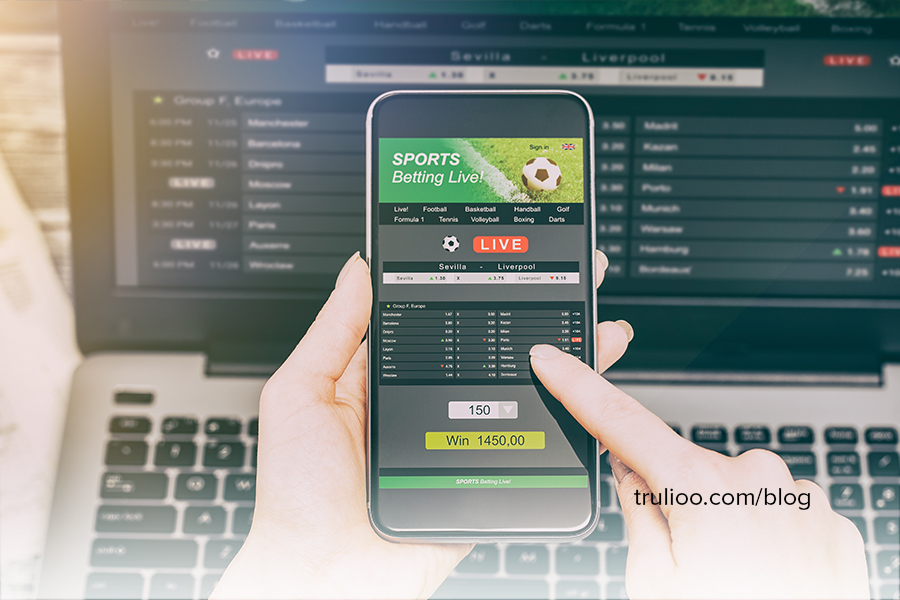
Switching between desktop and mobile during a live dealer session requires a seamless handoff, not a restart. Most Indian live casino platforms now sync your active game state via your account, so a mid-hand switch preserves your seat, stack, and betting history. To guarantee this, launch the same game on your phone and select “resume session” rather than joining anew. For blackjack or roulette, the action pauses only for your turn, so switch during the betting countdown, not the spin. Always keep Wi-Fi on the mobile device to avoid a 4G dropout during reconnection. Seamless device switching hinges on logging in via the same credentials and never force-closing the app mid-round.
Q: Will switching devices mid-round eject me from the live table?
A: No, if you use the same login and the platform’s sync feature. Your seat is held for 30–60 seconds during the handoff, but avoid switching during the dealer’s action window.

Common Mistakes New Players Make and How to Avoid Them

New players in live casino India often blow their bankroll by chasing losses after a bad roulette spin, forgetting the dealer’s pace is fixed—so slow down and set a strict loss limit before you sit down. Another major error is ignoring the side bets in Andar Bahar or Teen Patti, which drain chips fast; instead, stick to the main wager until you grasp the odds. Many also fail to check the table’s minimum stake, then panic when their small bet gets rejected—always verify limits in the lobby first. Even with a winning streak, your biggest enemy is overconfidence, not the dealer. Finally, avoid multitasking during a live game, because missing the “bet close” call costs you the round—focus fully or log off. Discipline beats luck in every session, and knowing when to walk away is your only real edge.
Relying on Betting Patterns Instead of Observing the Dealer’s Pace

Many newcomers in a live casino India fixate on red-black streaks or guessed sequences, yet they ignore the dealer’s physical rhythm. Betting patterns are static artifacts, while the dealer’s pace reveals live-table energy—quick shuffles, deliberate pauses, or rushed spins that signal table flow. By staring at a scoreboard, you miss the subtle timing that separates a predictable round from a chaotic one. Instead of chasing a mythical pattern, watch the dealer’s hand speed and breathing; adjust your wager when their tempo shifts. Observing the dealer’s pace in live casino India offers real-time cues that no pattern grid can replicate. Trust your eyes, not a stale sequence.
Ignoring the Chat Feature — When to Ask the Dealer for Clarification
New players in Indian live casinos often overlook the chat feature, treating it as decorative rather than functional. If a dealer’s hand gesture or bet limit feels ambiguous, ask for dealer clarification via chat before the betting window closes. This is critical in games like Andar Bahar or Teen Patti, where local rules (e.g., side bet payouts or card burn order) vary by table. Dealers can also confirm whether a soft 17 hits in blackjack, which the on-screen text may not state for that specific session. Use chat for rule checks, payout ratios, or if the camera angle hides your card value. Do not use it for strategy advice—dealers cannot coach. Ask only when a decision is pending; chatting mid-round wastes the table’s time.
- Request rule confirmation before your turn, not after cards are dealt.
- Ask about custom side bets or commission rates (e.g., 2.5% in Baccarat) if unclear.
- Clarify whether the dealer is using a continuous shuffle or pre-cut deck.
Forgetting to Check Time Limits on Decision Windows
In fast-paced live casino India games, forgetting to check time limits on decision windows is a classic rookie blunder. Unlike slow online tables, live dealer rounds often force you to call or fold within a few seconds, and a frozen screen or a moment of hesitation can auto-fold your hand. That sudden loss stings because it was avoidable. Before joining any table, glance at the lobby info or rules tab for the countdown duration. Once seated, keep your eyes on the in-game timer circle, not just the cards. It’s your silent teammate—respect it, and you’ll dodge those frustrating “time’s up” losses.
- Always set a personal reminder to peek at the decision parimatch login in india timer after every hand change.
- If you’re multitasking, turn off other tabs so the clock doesn’t sneak up on you.
- Practice with shorter-timer tables first to build quick decision reflexes.